
By Captain Matthew Haynes | Lake Lanier Striper Snipers
20 Stripers, a New Personal Best, and an Incredible Day on Lake Lanier!
The fall transition is underway on Lake Lanier, and while changing conditions have made striper fishing challenging for some anglers, today’s trip was proof that understanding bait movement and adjusting your fishing techniques can produce incredible results.
Today I had three of my awesome subscribers aboard Lake Lanier Striper Snipers, including Michael, who traveled all the way from Maryland to fish with me. Michael has been following my fishing content for a long time and had been looking forward to getting on the water together.
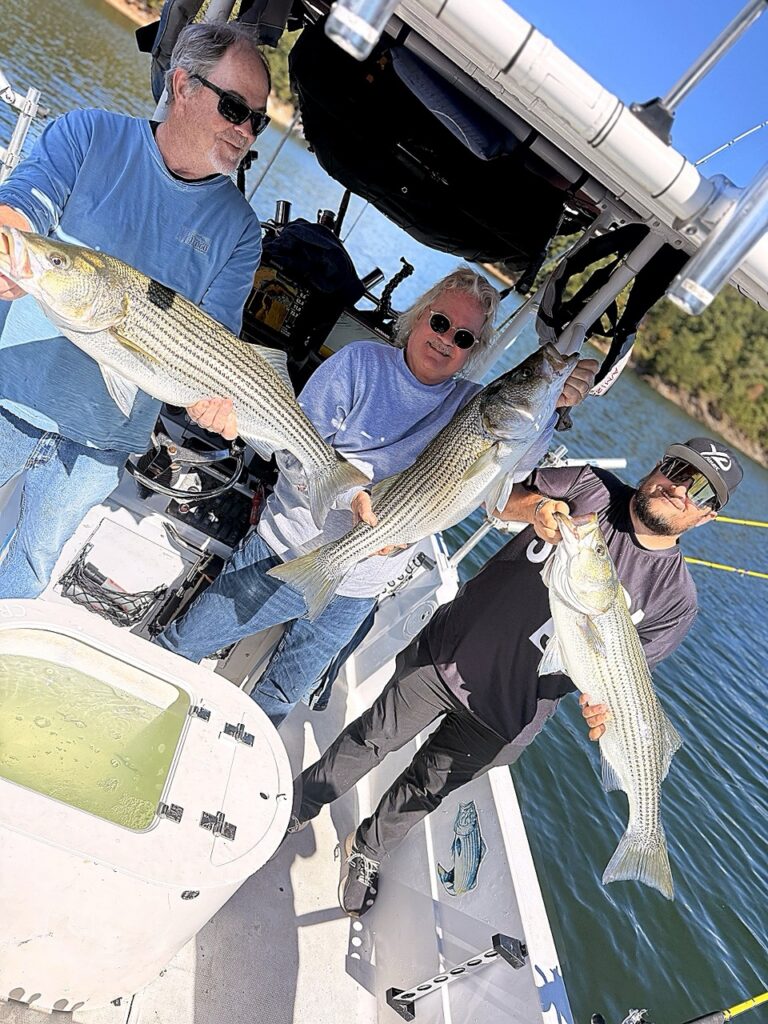
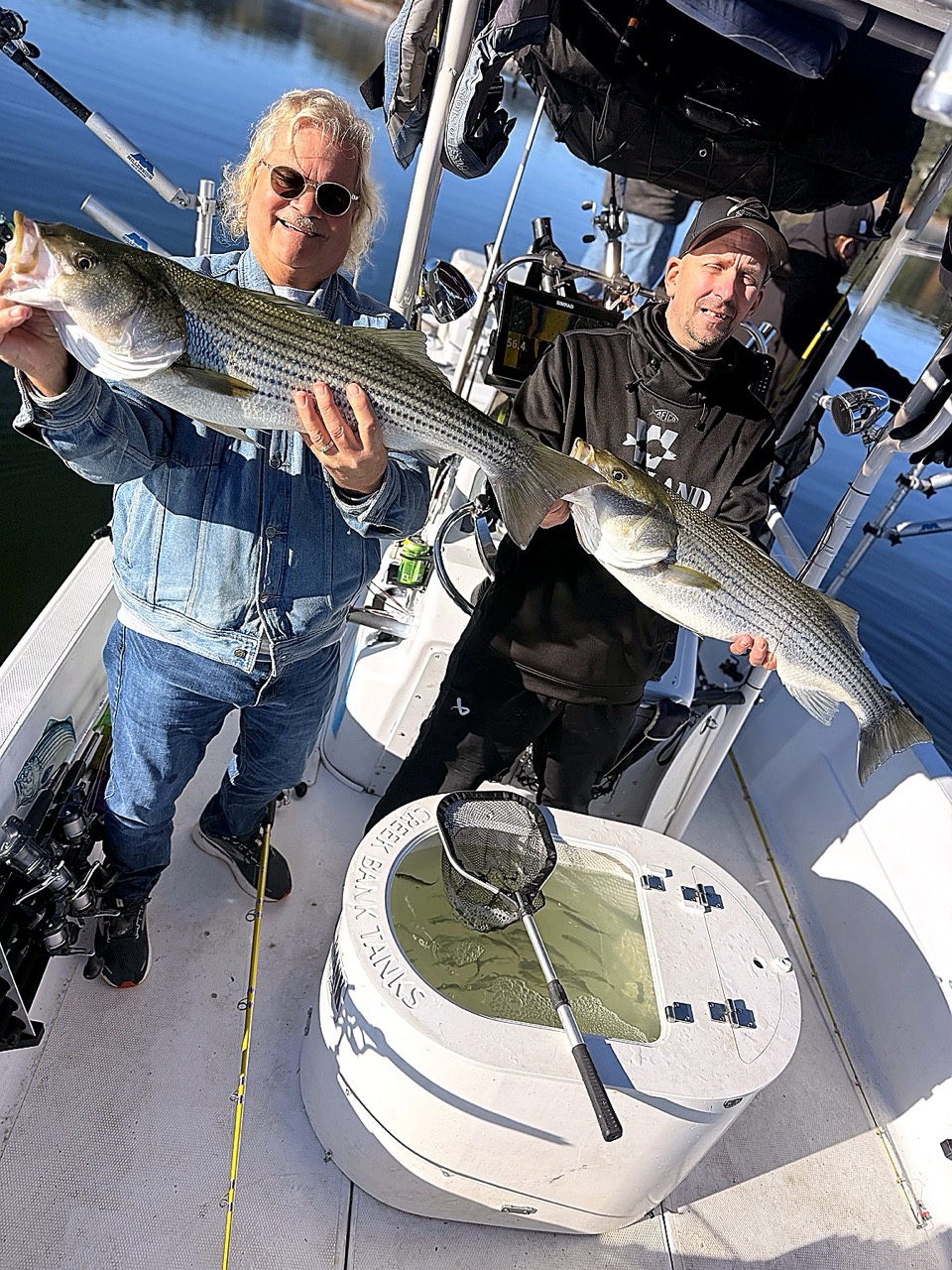
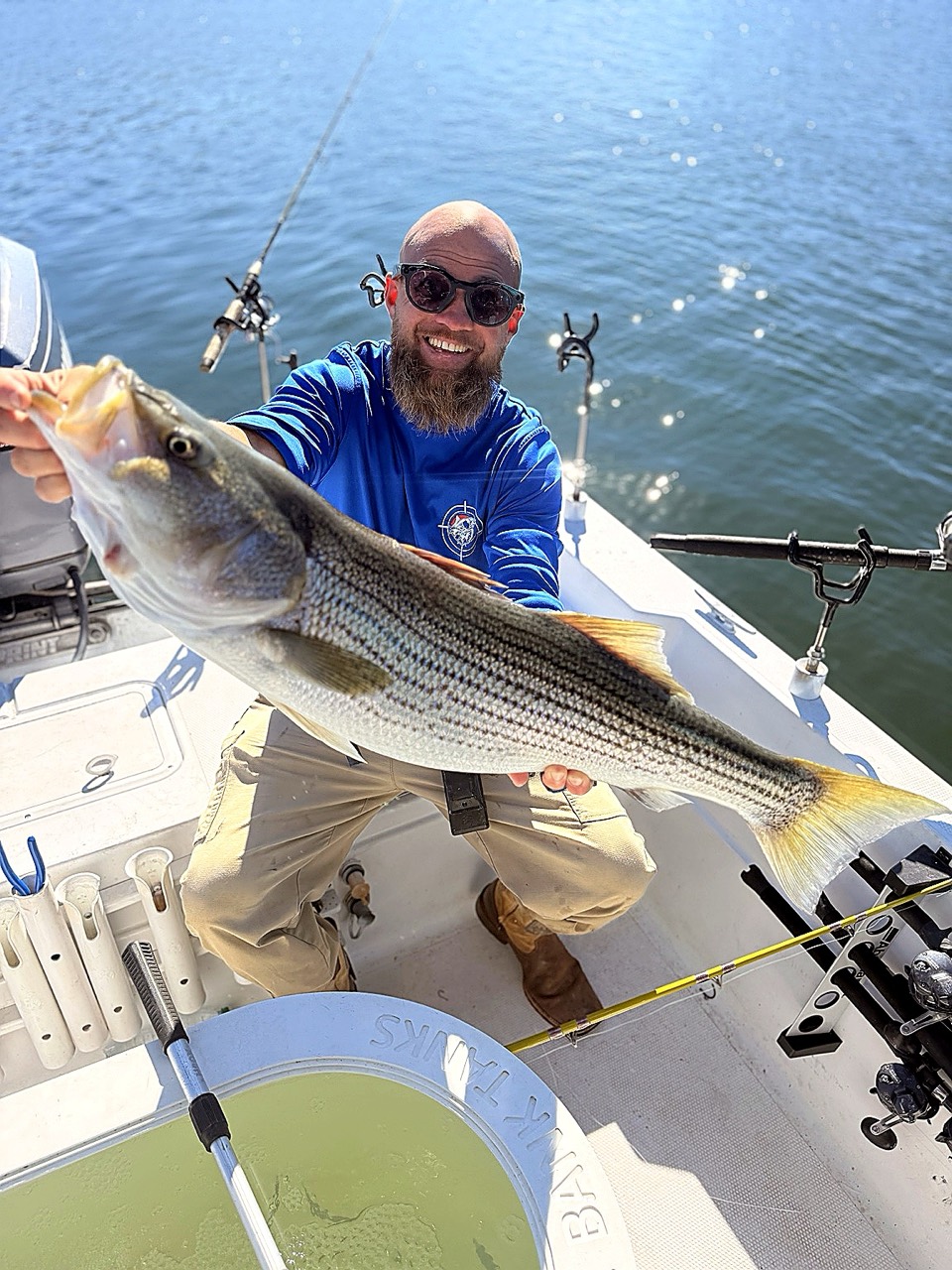
We couldn’t have asked for a much better day! By the time we finished fishing, we had caught approximately 20 striped bass, including several quality fish and one very memorable triple hookup.
Three Rods Down at Once — 14, 15, and 17 Pounds!
One of the highlights of today’s trip came when three rods went down almost simultaneously. We had three big stripers hooked up at the same time:
- A 14-pound striper
- A 15-pound striper
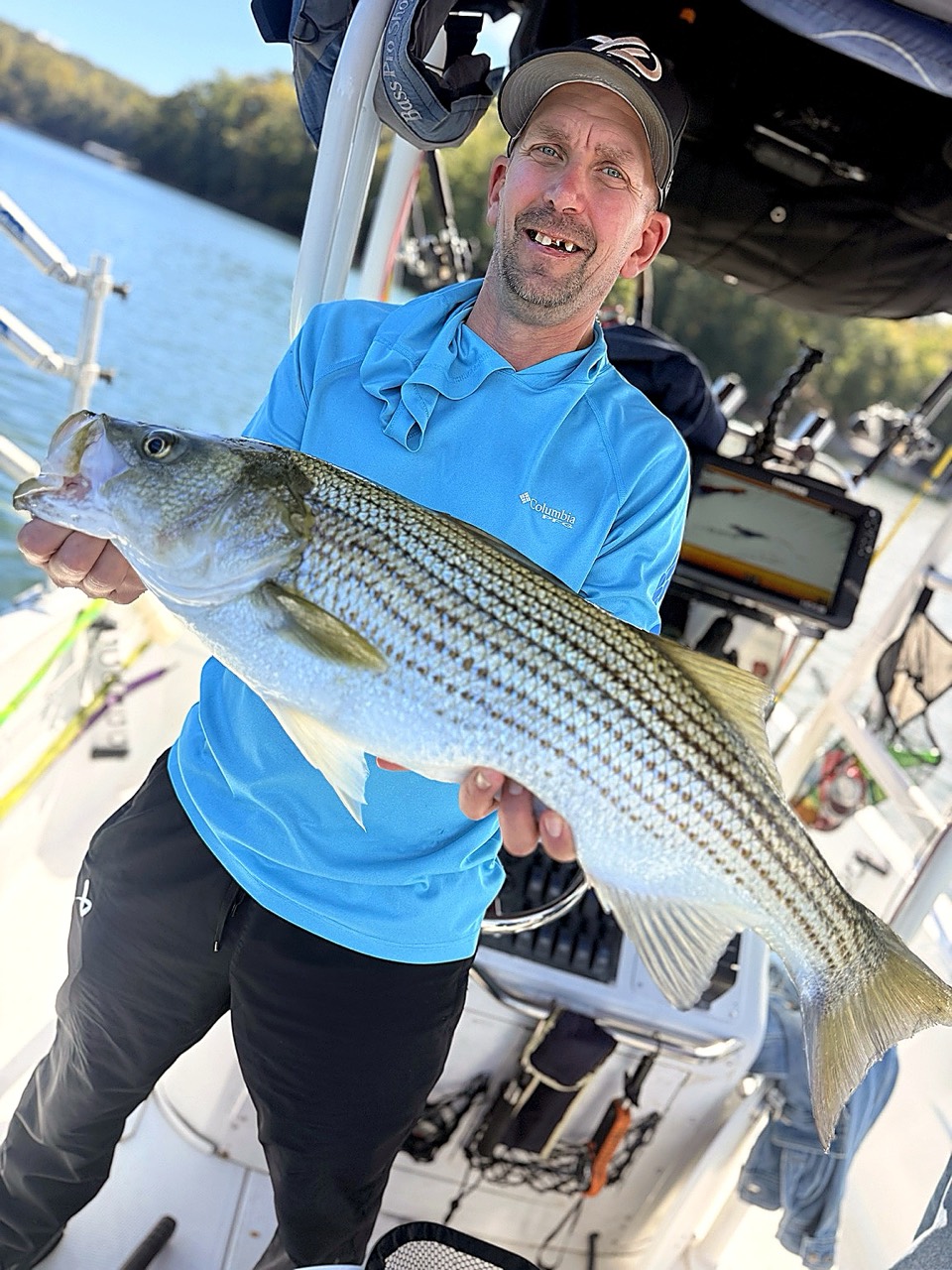
- A 17-pound striper that became one of my subscriber’s new personal bests!
There’s nothing quite like watching multiple rods double over and everybody scrambling to grab a rod. And there’s something even more rewarding about helping somebody catch the biggest striper they’ve ever caught. That’s one of my favorite parts of being a professional fishing guide.
But catching fish wasn’t the only reason these anglers booked today’s trip.
Learning How to Fish Lake Lanier During the Fall Transition
All three of today’s anglers already fish Lake Lanier regularly. They wanted to understand how the stripers are changing their behavior as the lake transitions from its summer pattern into the fall bite.
Over the past couple of weeks, we’ve watched Lake Lanier striped bass begin leaving some of their traditional deep-water summer patterns. Not long ago, we were consistently catching fish on downlines in 40, 50, 60, and even 70 feet of water.
Now we’re seeing more fish moving with bait, feeding higher in the water column, and becoming increasingly responsive to planer boards and free lines. That doesn’t mean every striper has abandoned deep water. It means anglers need to be willing to change their approach based on what they’re seeing.
Today’s trip was a perfect example.
Finding Giant Clouds of Threadfin Shad
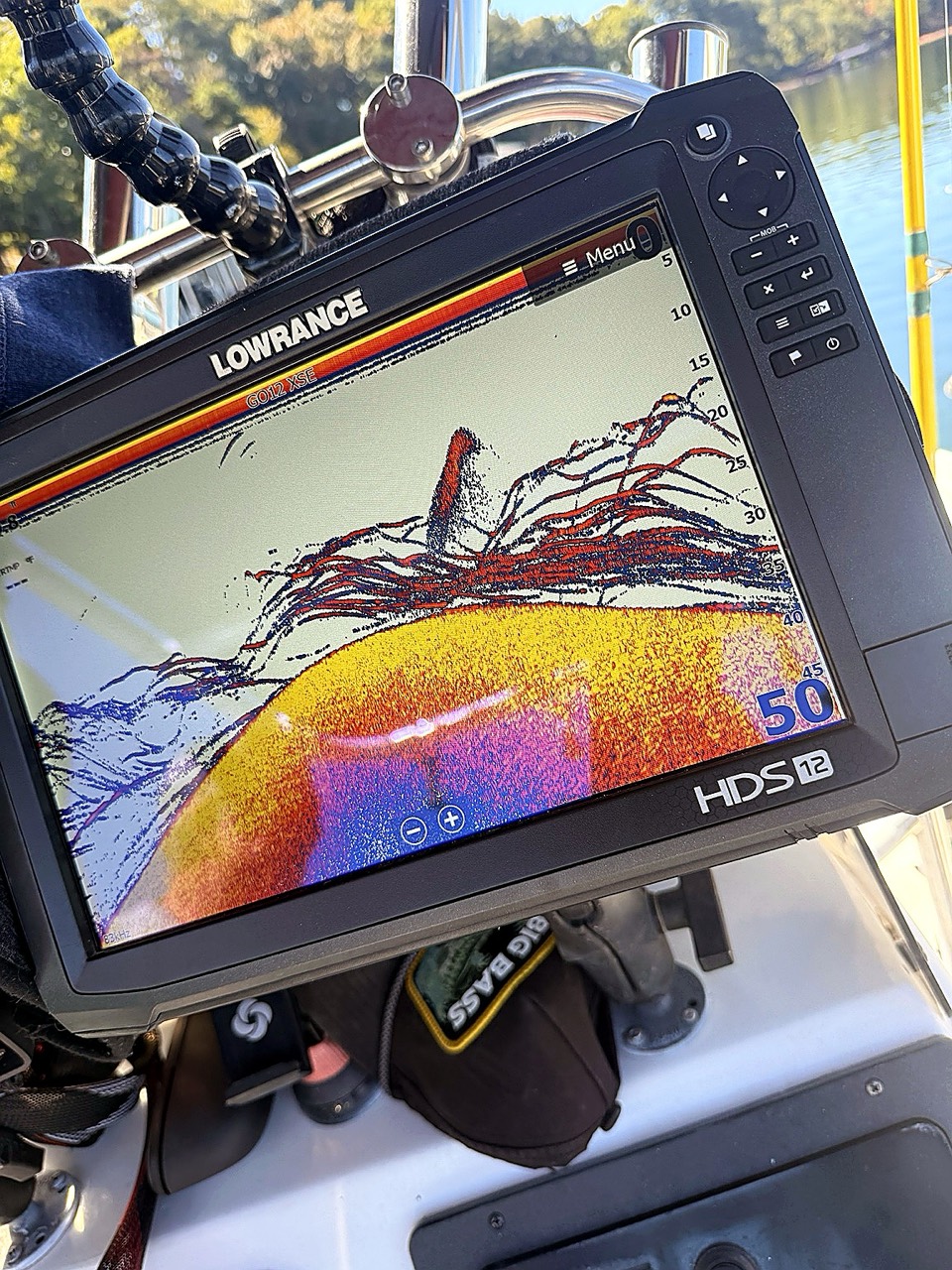
Early in the morning, I began marking enormous clouds of bait on my electronics. After years of watching baitfish on Lake Lanier, I’ve learned how different bait species tend to appear on sonar.
These large, dense clouds were consistent with what I typically see when I’m around schools of threadfin shad. We started fishing with shiners and gizzard shad and were catching striped bass. The bite was good, and we were putting fish in the boat.
But later in the day, we moved to another area, and I noticed something completely different.
When the Bait Changes, Your Presentation Should Change
After relocating, I started marking another large concentration of bait. This time, I could actually see blueback herring breaking the surface. They were flipping out of the water and scattering as predators chased them.
That told me something important: the stripers in this location were actively feeding on blueback herring near the surface.
I already had a couple of unweighted free lines out, and the surface activity gave me a clear indication that I needed to change my presentation. Instead of continuing with the same bait selection we’d used earlier, I switched to live blueback herring and began pulling them behind the planer boards without additional weight.
The results were immediate. Our bite dramatically improved, and we caught approximately another 10–12 stripers after making that adjustment.
Think about that for a minute. We hadn’t traveled very far from our previous fishing location. The weather hadn’t suddenly changed. The fish were still stripers. But the bait they were actively targeting and the depth at which they were feeding were different.
By recognizing those differences and making a simple adjustment, we dramatically increased our success.
Captain’s Tip: Let the Bait Tell You How to Fish
One of the biggest mistakes anglers make during the fall transition is getting locked into a single technique. Just because you caught fish yesterday on a downline doesn’t mean that’s what they’ll want today. And just because shiners or gizzard shad are producing in one location doesn’t mean those same baits will be your best choice somewhere else.
When I’m fishing Lake Lanier, I’m constantly paying attention to several things:
- Baitfish activity: Are the baitfish deep, suspended, or breaking the surface?
- Sonar readings: Am I marking large clouds of bait, scattered bait, or actively feeding stripers?
- Bait selection: Are the fish concentrating on threadfin shad, gizzard shad, or blueback herring?
- Presentation depth: Should my baits be on downlines, free lines, or behind planer boards?
- Fish behavior: Are the stripers chasing bait aggressively or holding deeper and refusing to commit?
These observations influence every decision I make throughout the day. Today’s results demonstrated just how valuable those small adjustments can be. Sometimes the difference between catching 10 fish and catching 20 fish is simply recognizing what the fish are telling you.
Want to Learn How to Run Eight Planer Boards?
One of the techniques I enjoy teaching anglers is how to properly deploy and manage multiple planer boards. Running eight boards might sound intimidating, especially when you’re dealing with boat traffic, wind, turns, and multiple stripers hooked up simultaneously.
But with the right setup, spacing, boat control, and understanding of how the boards respond during turns, you can cover a tremendous amount of water effectively.
My guided fishing trips aren’t just about putting fish in the boat. They’re also an opportunity for anglers to learn techniques they can use on their own.
Whether you want to understand seasonal striped bass movements, interpret what you’re seeing on your fish finder, select the correct live bait, or learn how to manage a full planer-board spread, I’m happy to share what I’ve learned from years of fishing Lake Lanier.
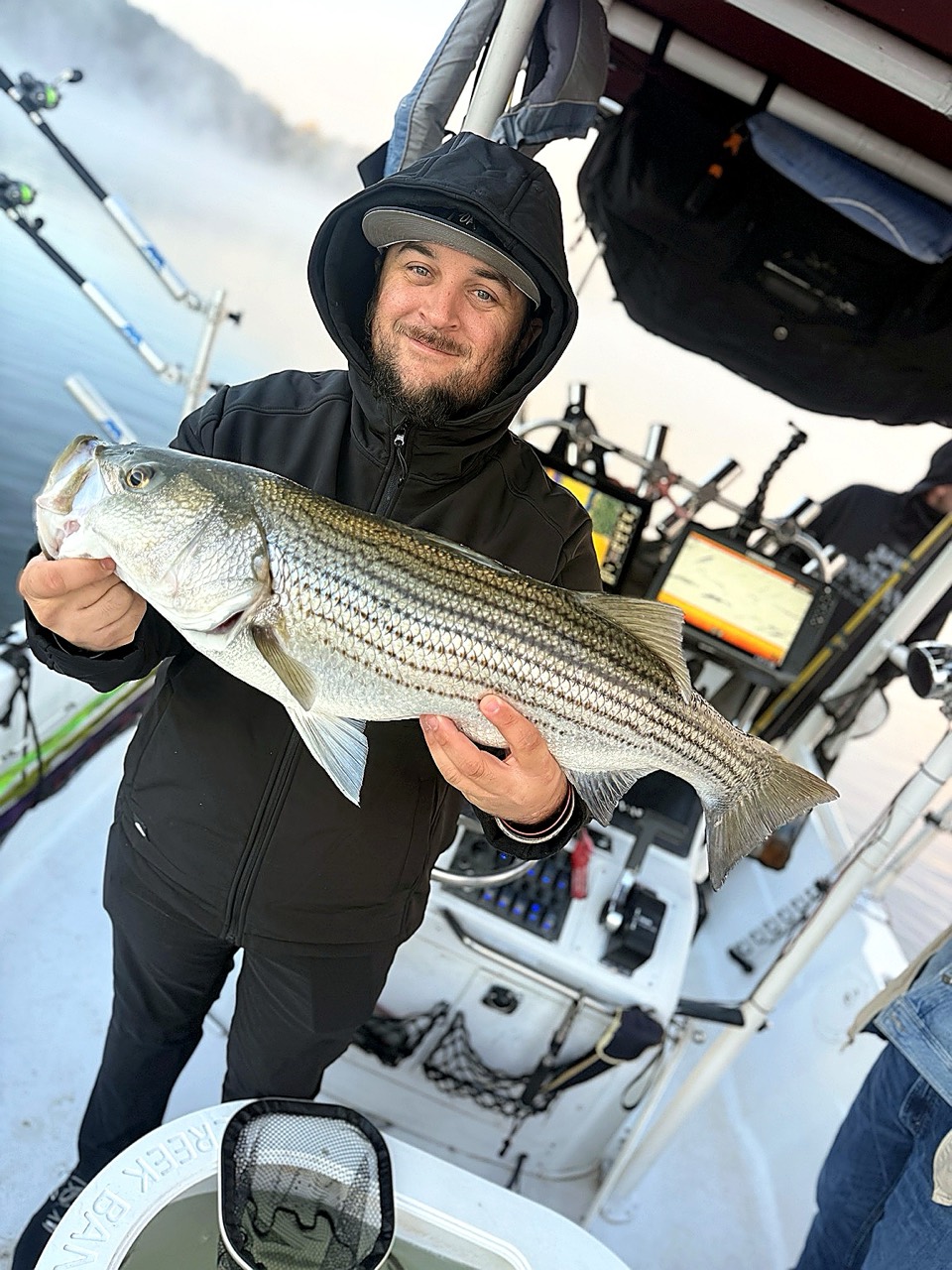
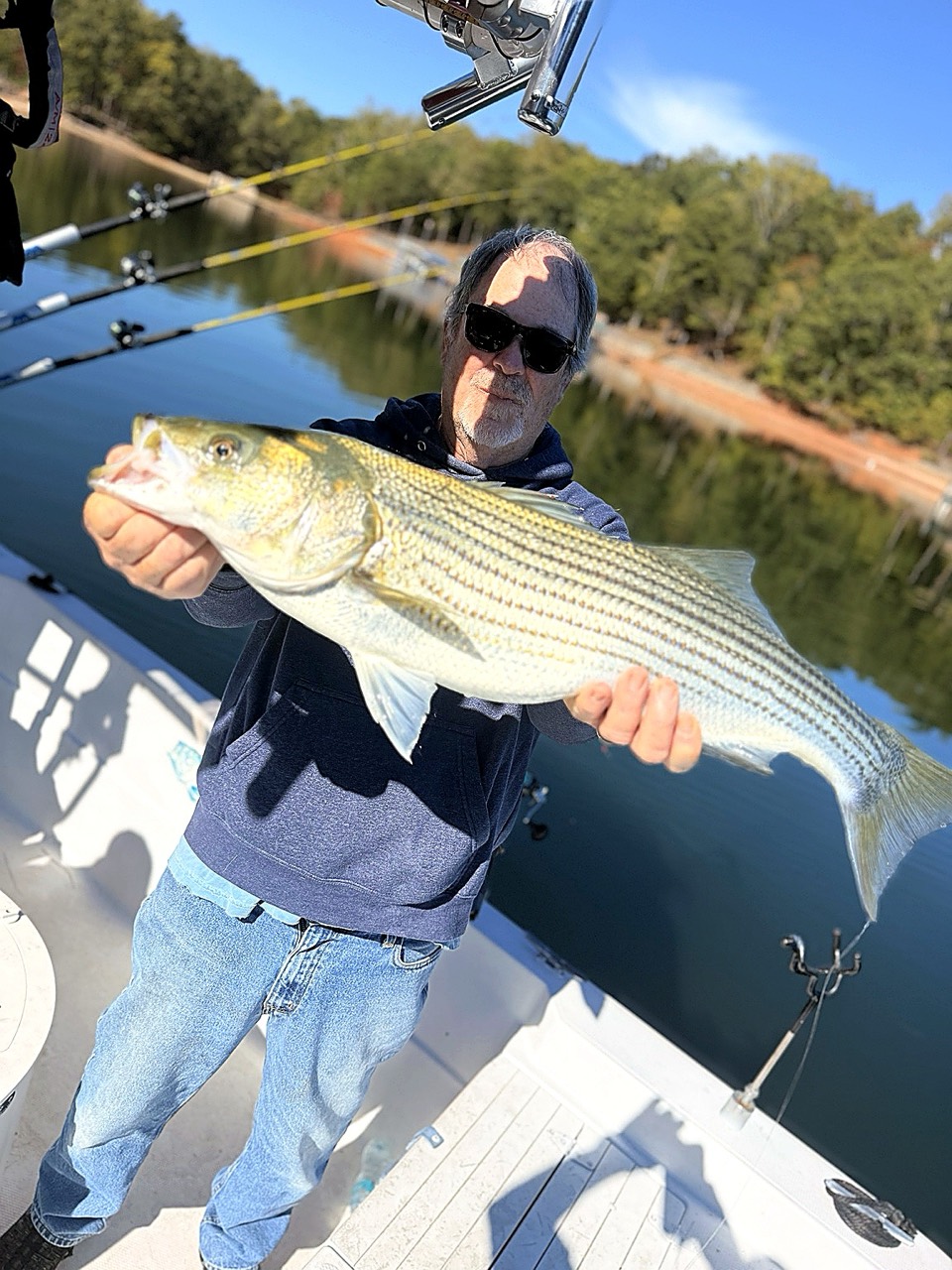
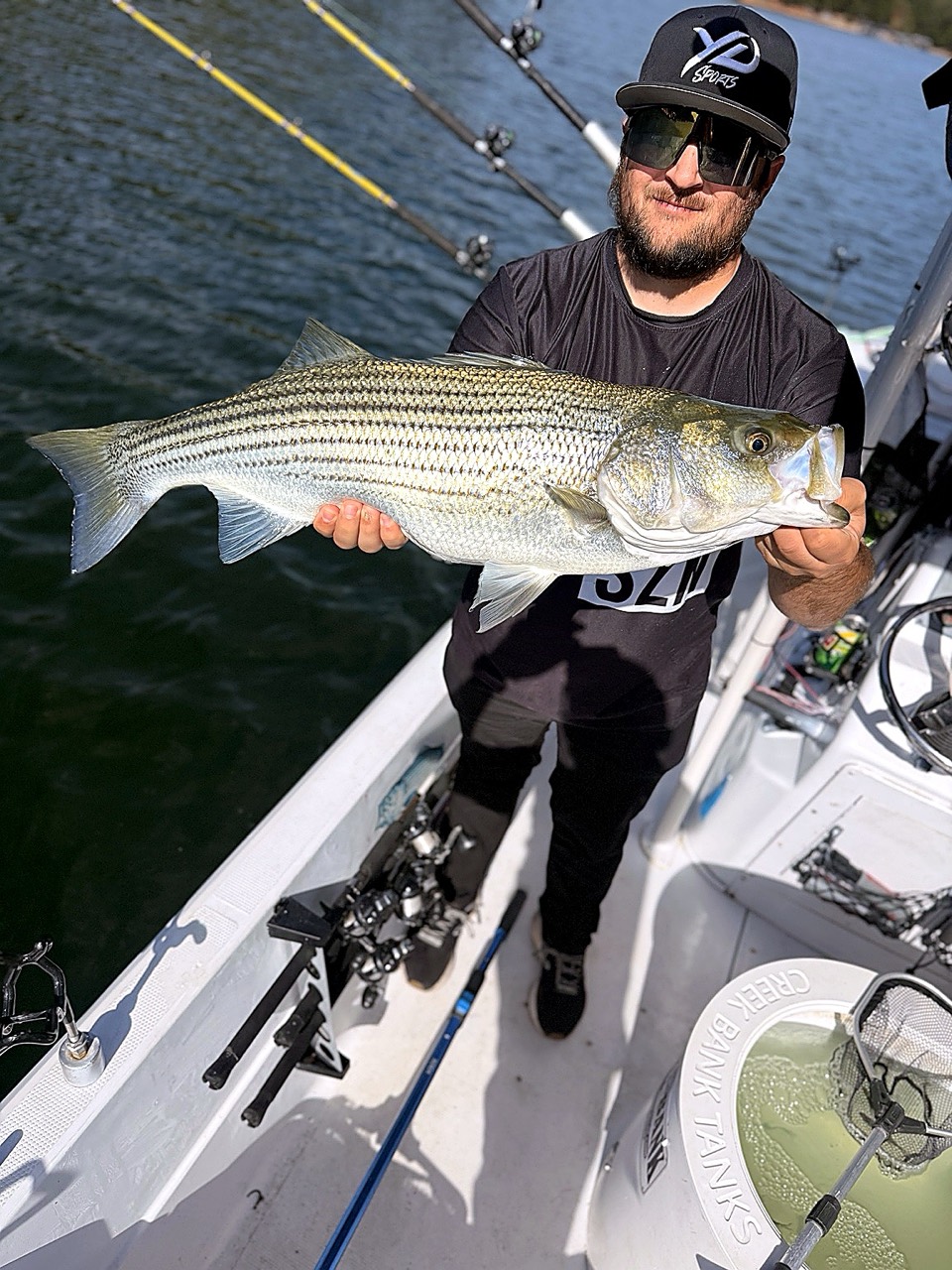
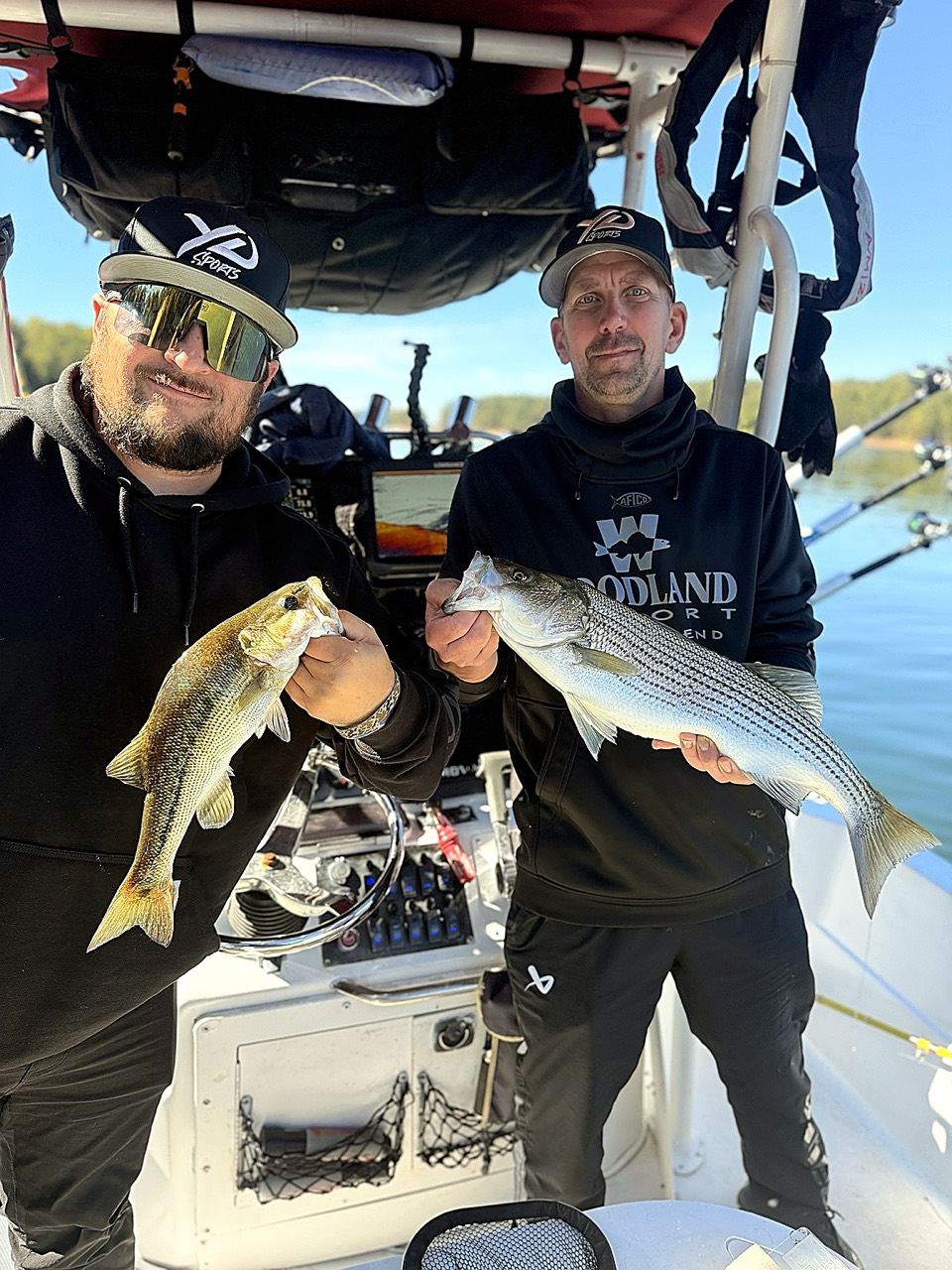
Lake Lanier Striper Fishing Photos – October 20, 2026
Book a Lake Lanier Striper Fishing Charter
The fall transition can be frustrating when you’re unsure where the fish are moving or which techniques to use. But it can also produce some fantastic striper fishing for anglers who recognize changing conditions and respond accordingly.
Today’s trip was a perfect example: approximately 20 fish, multiple quality stripers, a 17-pound personal best, and valuable lessons about finding and following bait.
I’m Captain Matthew Haynes, owner and operator of Lake Lanier Striper Snipers. Whether you’re an experienced angler wanting to sharpen your skills or a first-time striper fisherman hoping to catch your first trophy, I’d love to have you aboard.
Come experience Lake Lanier striper fishing firsthand, learn how we find and target these fish, and make some unforgettable memories!
Captain Matthew Haynes
Lake Lanier Striper Snipers
We’re at it again! 🎣