
By Captain Matthew Haynes | Lake Lanier Striper Snipers
Lake Lanier Stripers Are Changing Patterns as the Fall Transition Begins
If you’ve been fishing Lake Lanier over the past several days, you’ve probably noticed that the striper bite has become a little more challenging. We’re officially experiencing one of the biggest seasonal changes of the year: the fall transition.
Over the past four days, the fishing has been noticeably tougher as striped bass begin abandoning their summer patterns and adjusting to cooling water temperatures.
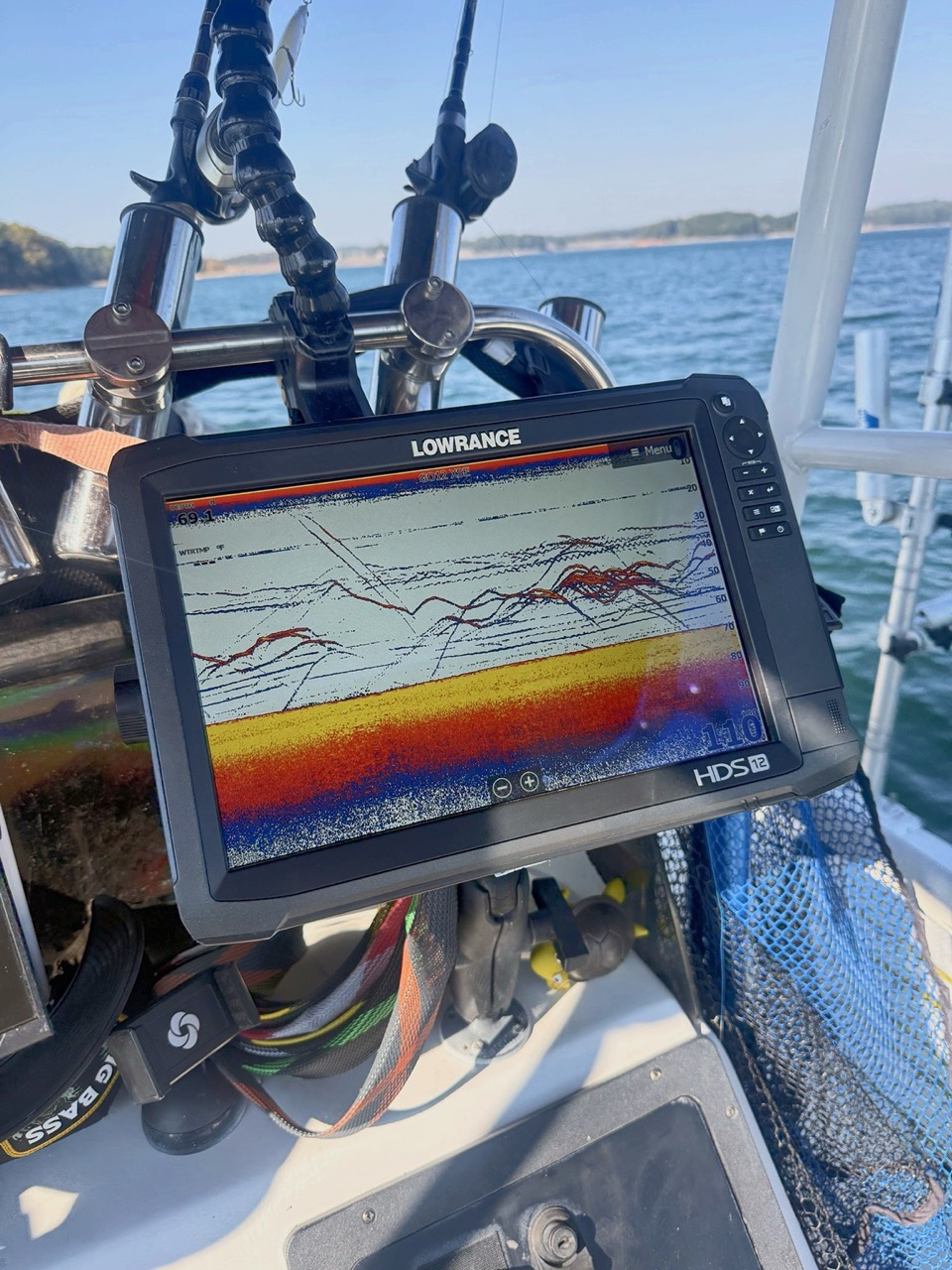
Just one week ago, we were consistently finding stripers holding in deep water, anywhere from 40 to 70 feet down. Downlines were a major part of our fishing strategy, with many fish located in deep, open water, especially toward the southern end of Lake Lanier.
Now, with surface water temperatures ranging between 72 and 74 degrees, we’re beginning to see an entirely different pattern develop.
The deep downline bite is giving way to more of a planer board and moving-bait pattern. We’re also starting to see some surface activity as fish become more active in the upper portions of the water column.
The stripers are on the move, and understanding that movement is the key to finding them.
Understanding Where Lake Lanier Stripers Are Going
One of the most important things I’ve learned from years of guiding on Lake Lanier is that successful fishing isn’t always about knowing where the fish are. It’s about understanding where they’re coming from, where they’re going, and why they’re moving.
Throughout the summer, large numbers of Lake Lanier stripers spend their time in deeper, cooler water. Areas near the dam, deep river channels, and open-water structures can hold significant concentrations of fish.
During the winter months, many stripers move into Lake Lanier’s creek systems to follow schools of baitfish. Shallower creek pockets and protected areas can sometimes hold slightly warmer water during cold weather, attracting baitfish and the predators that follow them.
So during the fall transition, we know two important things:
- We know where the fish were holding throughout the summer.
- We have a good idea of where many of those fish will eventually be feeding during the winter.
The trick is finding them somewhere between those two locations. Instead of randomly searching the entire lake, I look for likely travel routes between the fish’s previous locations and their developing seasonal destinations.
Why River Channels Are Important During the Fall Transition
One of my favorite areas to target when stripers are transitioning is the river channel. I’ve always looked at river channels as natural travel corridors for striped bass. They provide deep-water access and connect major portions of the lake to creek systems, points, humps, and feeding areas.
This is why pulling planer boards along river channel edges, especially near creek mouths, can be so productive during the fall.
Right now, some of the largest groups of stripers I’m finding are located around the mouths of creeks and just inside the beginning sections of those creeks, particularly where they connect to the main river channel.
These fish aren’t necessarily holding in one place all day. They’re roaming, following bait, and adjusting to the conditions around them.
Wind direction also plays a significant role. When the wind pushes bait over a hump, point, or channel edge, those areas can become temporary feeding zones. It’s not uncommon for fish that were traveling along a channel to move toward nearby structure when baitfish concentrate there.
My advice is to use the river channel as a starting point, but don’t become so focused on the channel that you overlook where the bait is moving. Find the bait, and you’ll greatly improve your chances of finding the stripers.
How Fall Turnover Affects Lake Lanier Striper Fishing
Another major factor we’re beginning to deal with is fall turnover.
During the summer, Lake Lanier develops distinct layers of water, with warmer water near the surface and colder water below. As fall temperatures arrive, the surface begins cooling, and these layers gradually mix. This process can temporarily affect water clarity, oxygen distribution, and fish behavior.
Different portions of Lake Lanier don’t necessarily turn over at exactly the same time. Shallower creeks and protected areas may begin mixing before deeper sections of the main lake, depending on water depth, wind, and temperature conditions.
This is why turnover can affect one creek differently from another and why fishing conditions can change so dramatically over relatively short distances.
When I’m searching for stripers during turnover, I’m paying close attention to water clarity, baitfish concentrations, and whether the fish are actively feeding. If an area appears heavily affected by turnover and the fish aren’t responding, I’ll look for more favorable water conditions rather than continuing to fish unproductive areas.
The important thing to understand is that the entire lake doesn’t necessarily become difficult to fish at once. There are often productive areas available if you’re willing to search and adjust.
Switching From Blueback Herring to Smaller Baits
One interesting pattern I’ve noticed recently is a change in the baitfish the stripers are targeting.
During the summer, blueback herring have been a major food source for fish holding out in the deeper, open-water areas of Lake Lanier. But as I’ve started moving into the creeks, I’m seeing increasing numbers of threadfin shad—and the stripers are definitely feeding on them.
I’ve already started having better success using smaller live baits, including shiners and minnows. This is an important adjustment for anglers who have spent the summer fishing larger herring.
Stripers are opportunistic predators, and when they’re feeding heavily on smaller baitfish, downsizing your presentation can make a difference. Don’t assume that the bait that worked last week will automatically be the best choice today.
Downlines vs. Planer Boards: Adjusting Your Fall Fishing Techniques
Another noticeable change has been the transition from deep downline fishing toward planer board fishing.
During the summer, we were regularly targeting fish 40, 50, 60, and even 70 feet down. Now, with water temperatures falling and baitfish becoming more dispersed, we’re having to cover water differently.
Planer boards allow us to spread live baits away from the boat and cover more water while searching for actively feeding stripers. This is particularly effective when fish are roaming around creek mouths, river channel edges, and nearby points.
That doesn’t mean downlines are finished for the season. If I find a good concentration of fish holding deep, I’ll absolutely still drop baits down to them. The important thing is to let the fish tell you which presentation they want instead of forcing a technique that worked last week.
Captain Matthew’s Tip of the Day: Think Like a Striper
Don’t get stuck fishing what the stripers were doing yesterday. Pay attention to what they’re doing today and where they’re likely heading next.
When I’m on the water, I’m constantly asking myself:
- Where are the baitfish concentrated?
- Are the stripers holding deep or moving shallower?
- How is the wind affecting the bait?
- Are the fish traveling along the river channel?
- Is turnover affecting the water I’m fishing?
- Are the stripers feeding on blueback herring or smaller threadfin shad?
Learning to answer these questions will make you a better angler over time. Sometimes success isn’t about finding the perfect fishing spot. It’s about understanding the fish well enough to make the right adjustments.
Recent Fishing Success: Another 20-Pound Lake Lanier Striper
Even though we’ve had some challenging days recently, we’re starting to figure out this new pattern and put fish in the boat again.
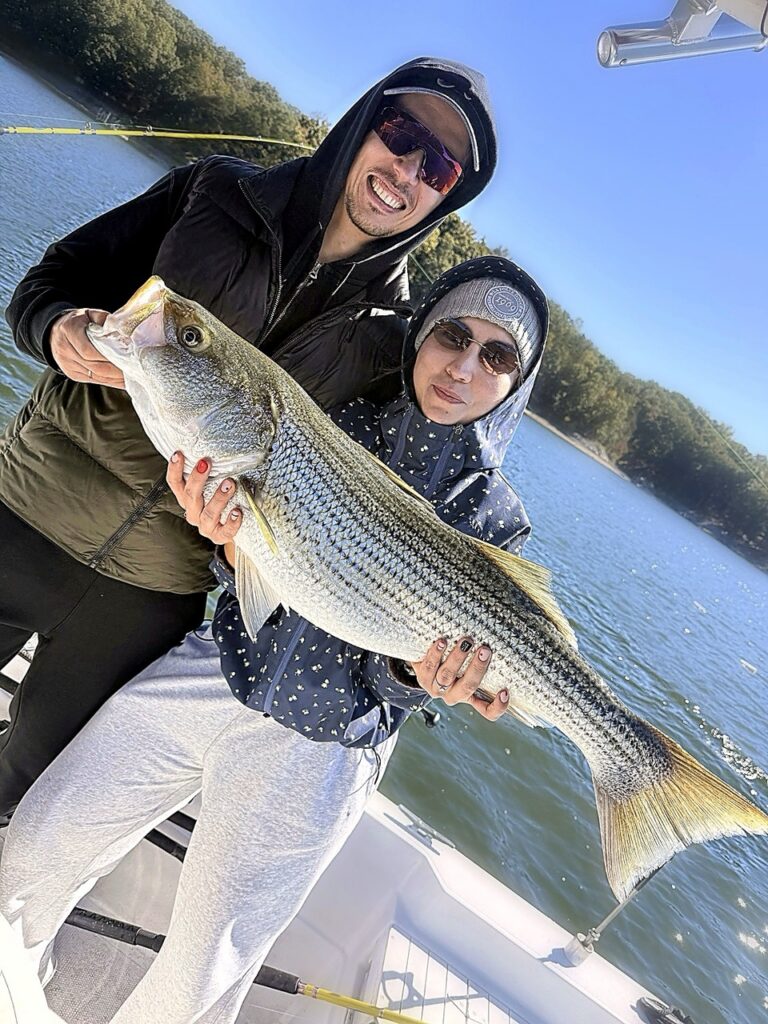
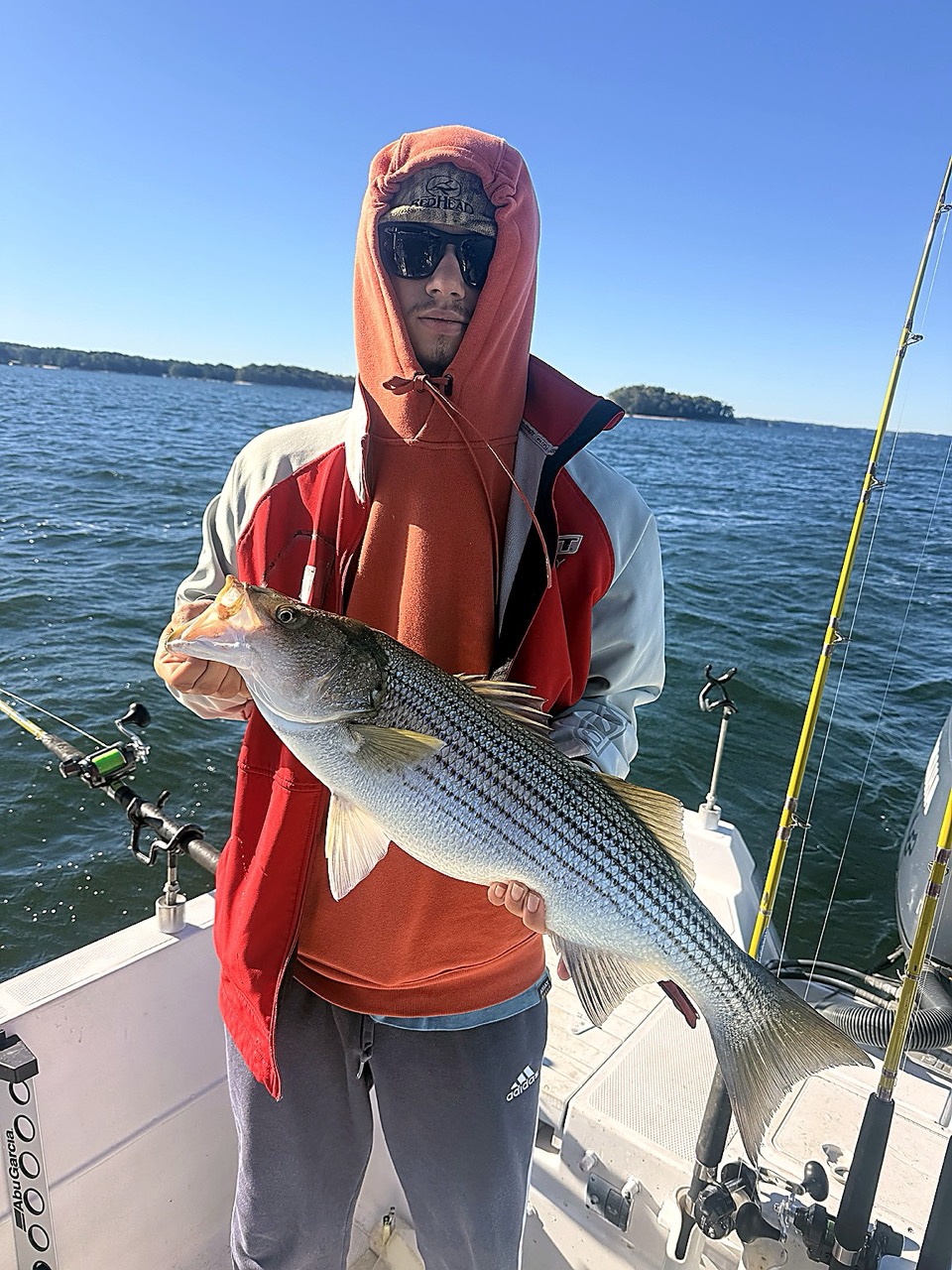
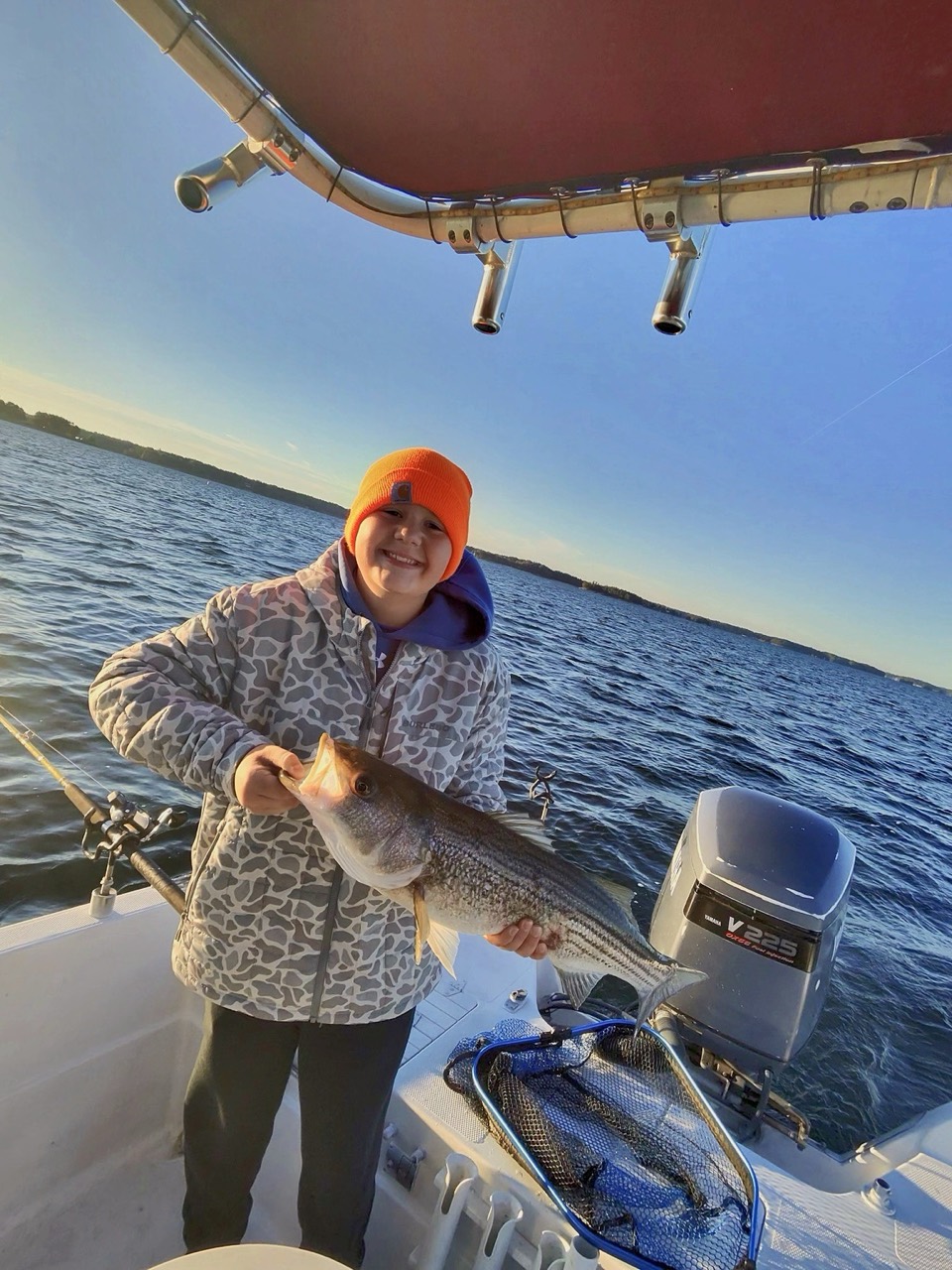
Yesterday, October 18, we had a successful trip, including an incredible 20-pound striped bass caught by a first-time angler.
There’s nothing quite like watching somebody experience the power of a trophy Lake Lanier striper for the very first time. Those are the moments that make being a fishing guide so rewarding.
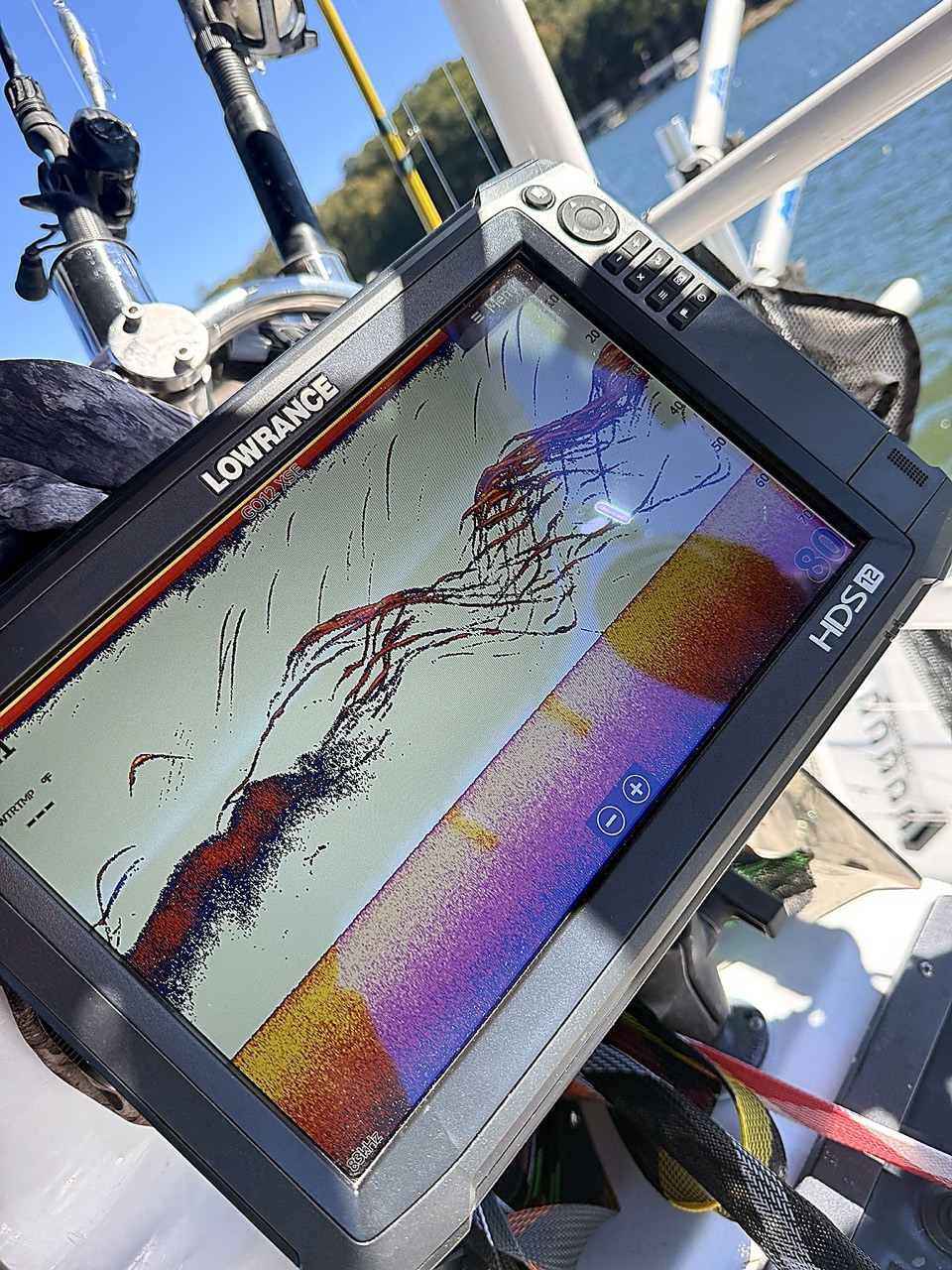
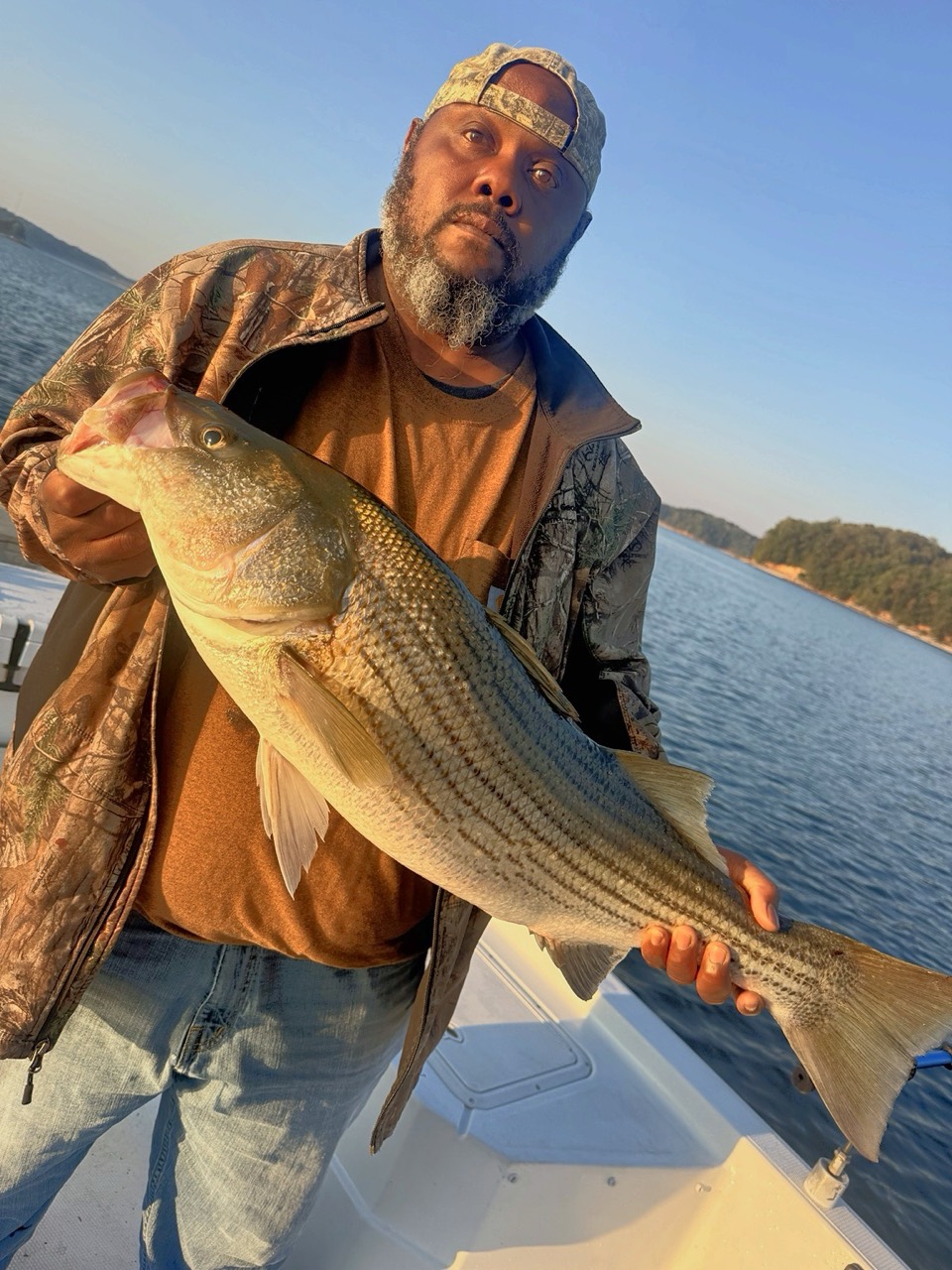
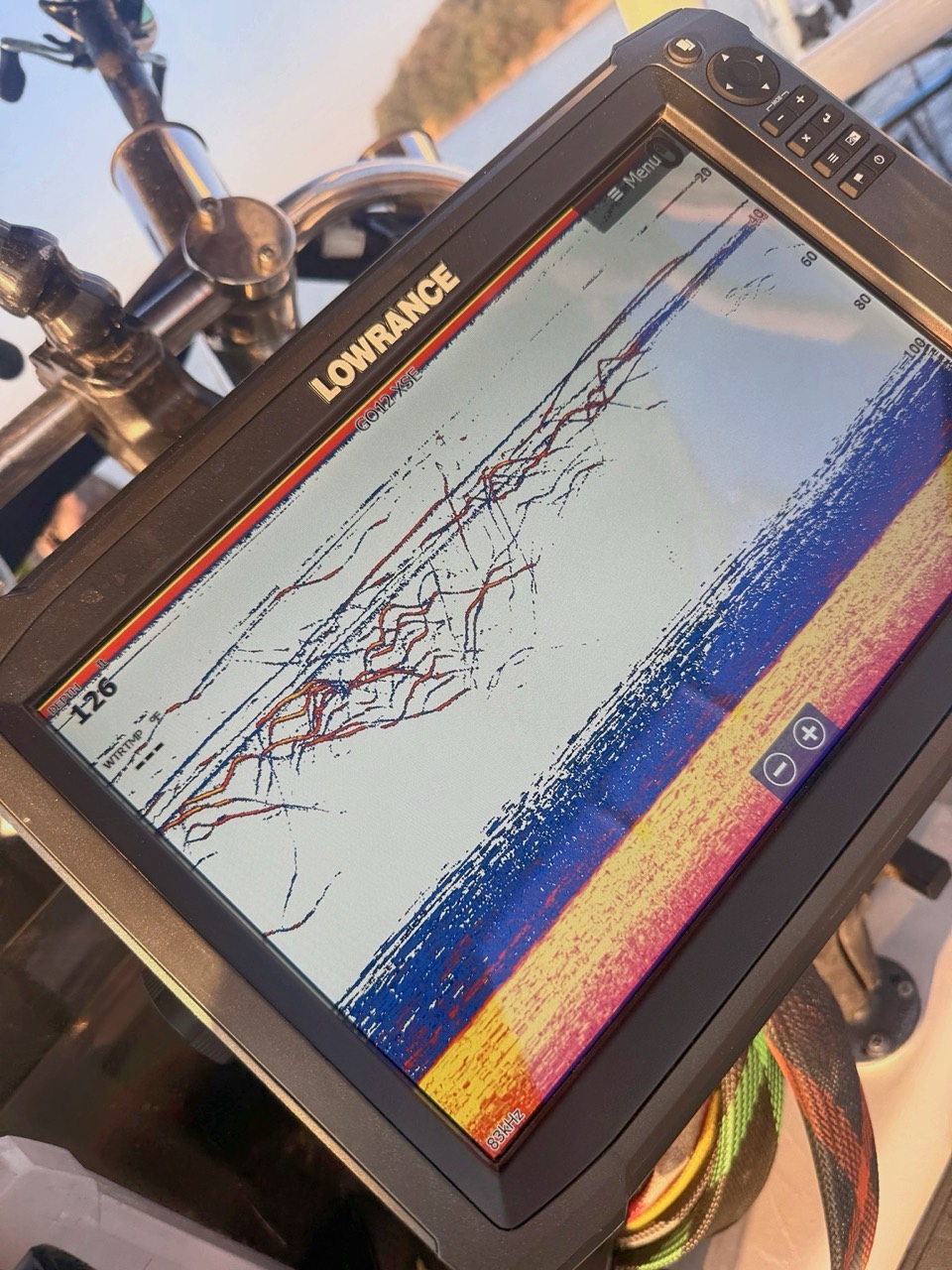
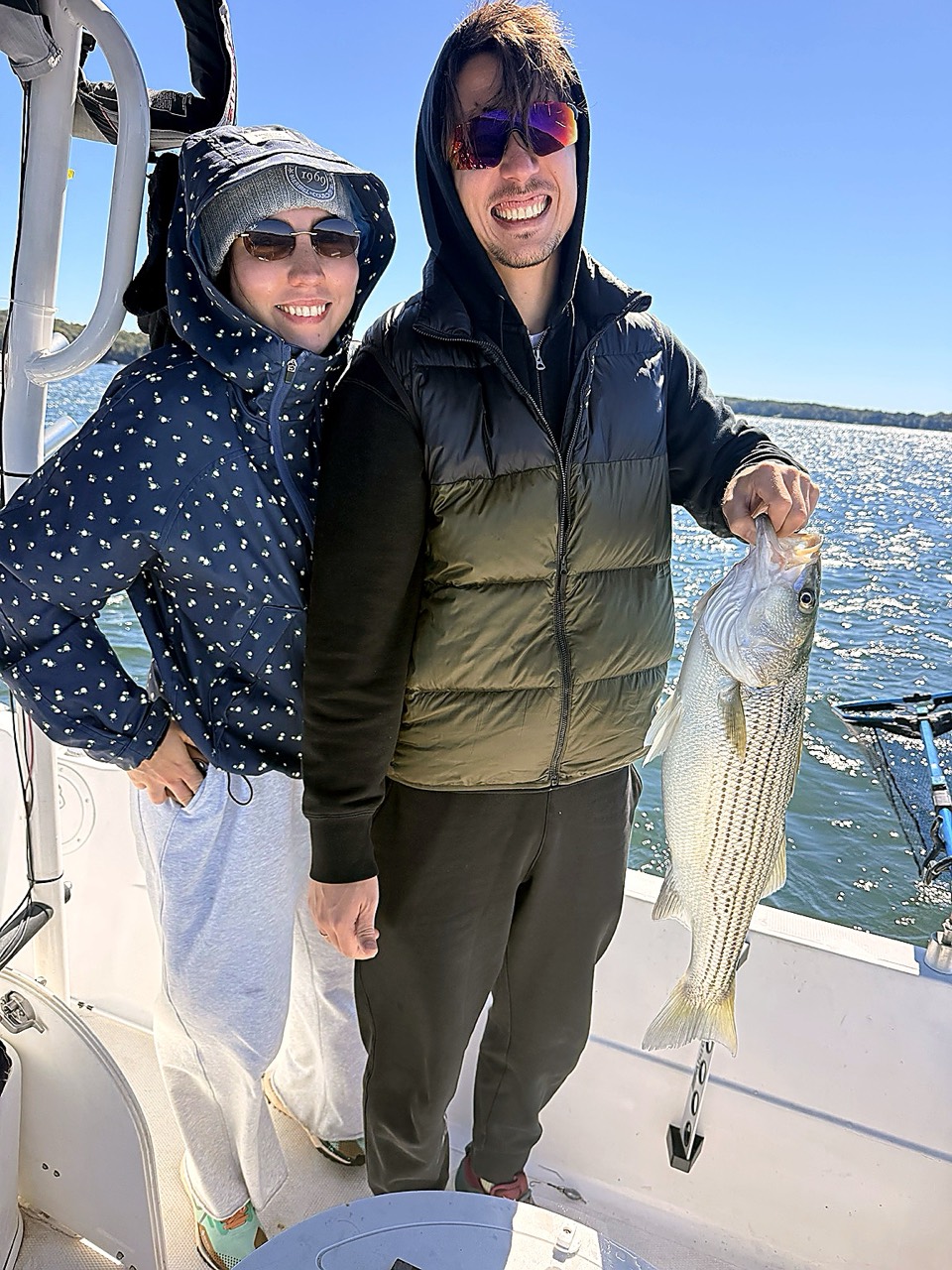
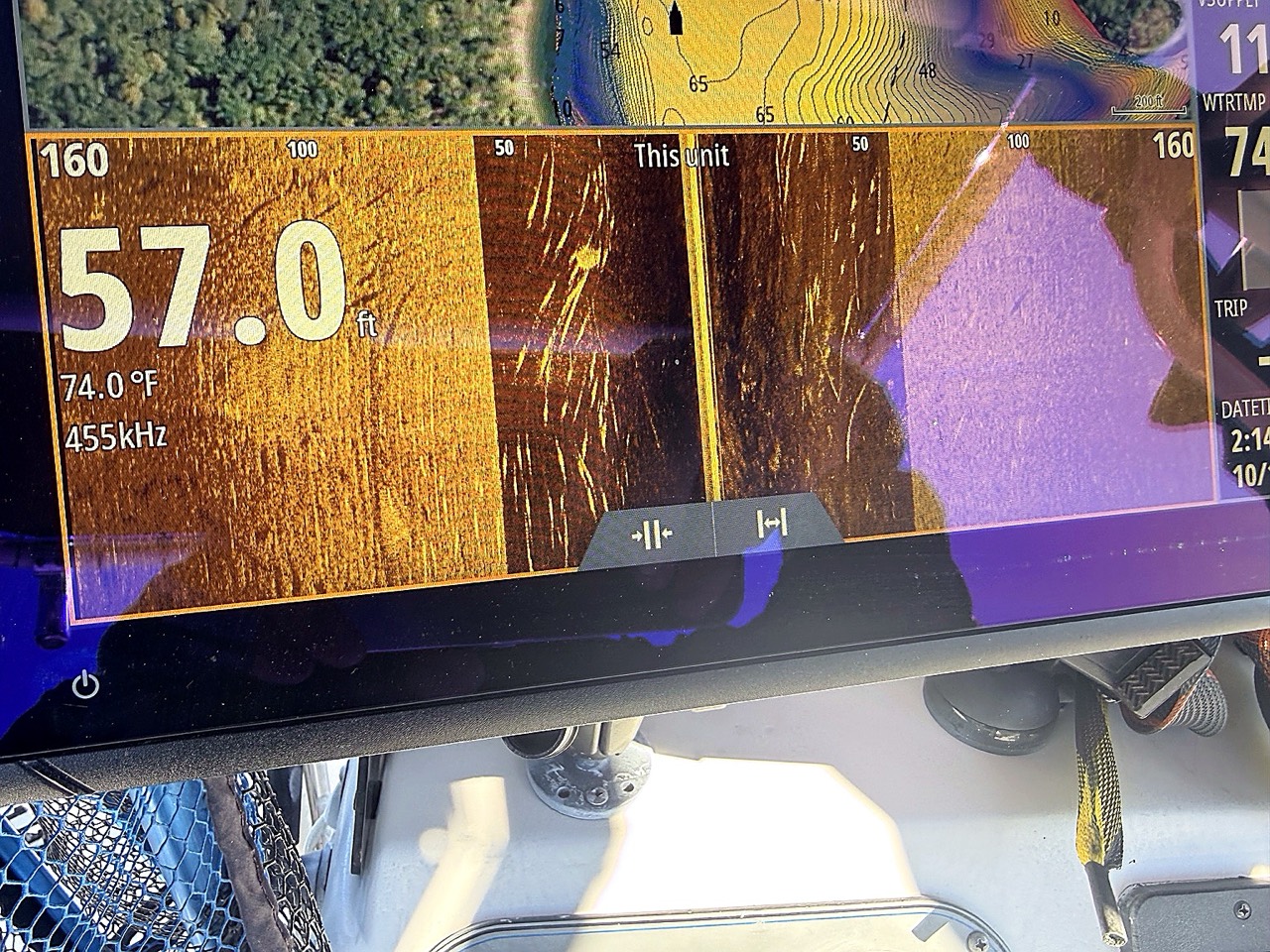
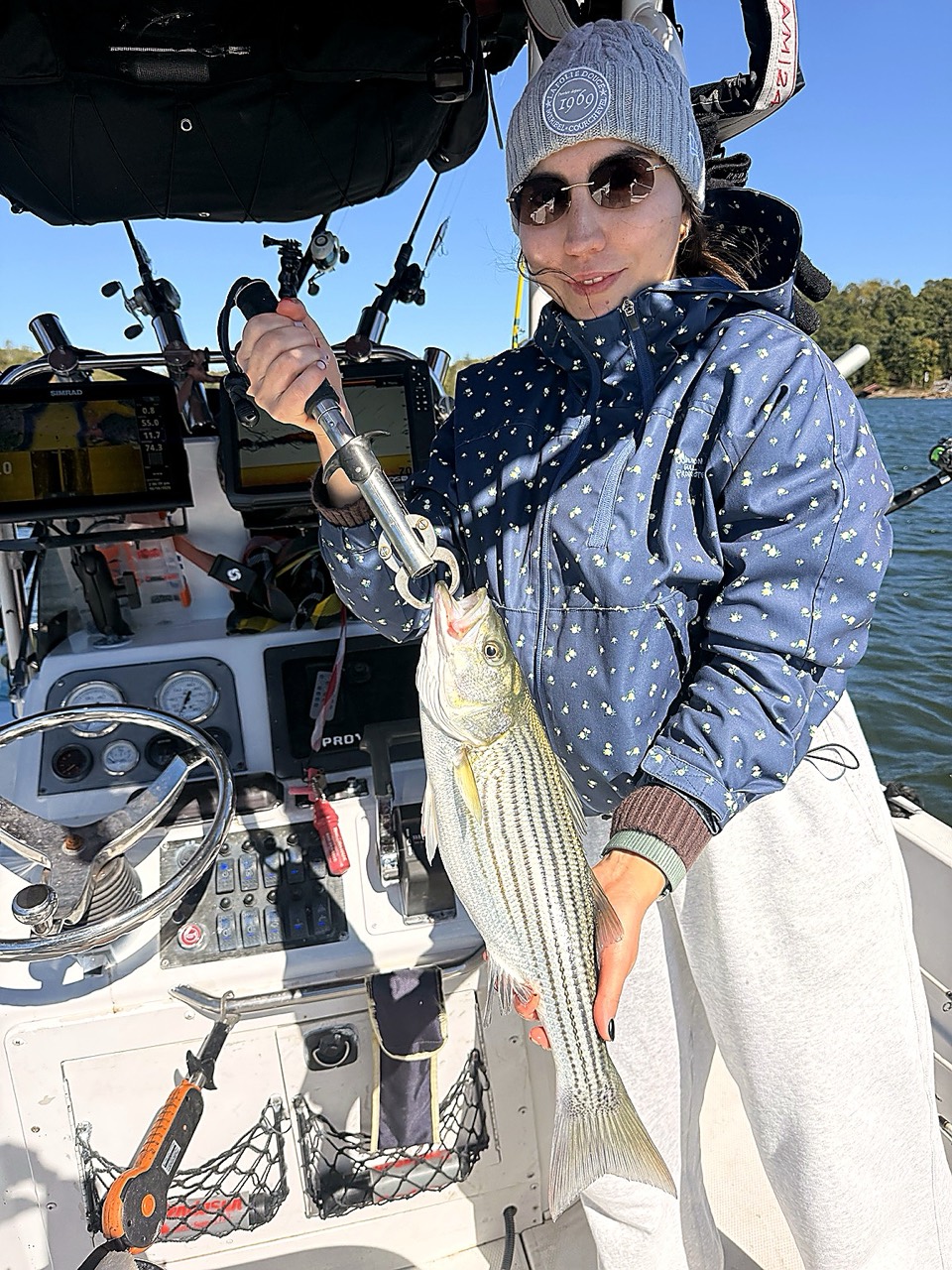
I’m also sharing pictures from several previous trips that I haven’t gotten around to posting yet. We’ve had some tougher days, some exciting bites, and plenty of great memories along the way.
The fall transition may be challenging, but we’re making adjustments, following the fish, and continuing to make things happen.
Recent Lake Lanier Striper Fishing Photos
Book Your Lake Lanier Striper Fishing Trip
The fall and winter months can offer some incredible striped bass fishing opportunities on Lake Lanier. Whether you’re an experienced angler hoping to improve your techniques or a first-timer wanting to experience the thrill of catching a big striper, I’d love to have you aboard.
At Lake Lanier Striper Snipers, we focus on putting our clients on fish, teaching them how to become better anglers, and creating fishing memories they’ll never forget.
Captain Matthew Haynes
Lake Lanier Striper Snipers
Tight lines and good fishing!